STORIES

A living history,
still unfolding.

More than 78 cards: a culture continually reinterpreted.

More than cards.
A living history, still unfolding.
Read this issue →PEOPLE / HISTORY / ART / IDEAS / CULTURE / LIFE & PRACTICE
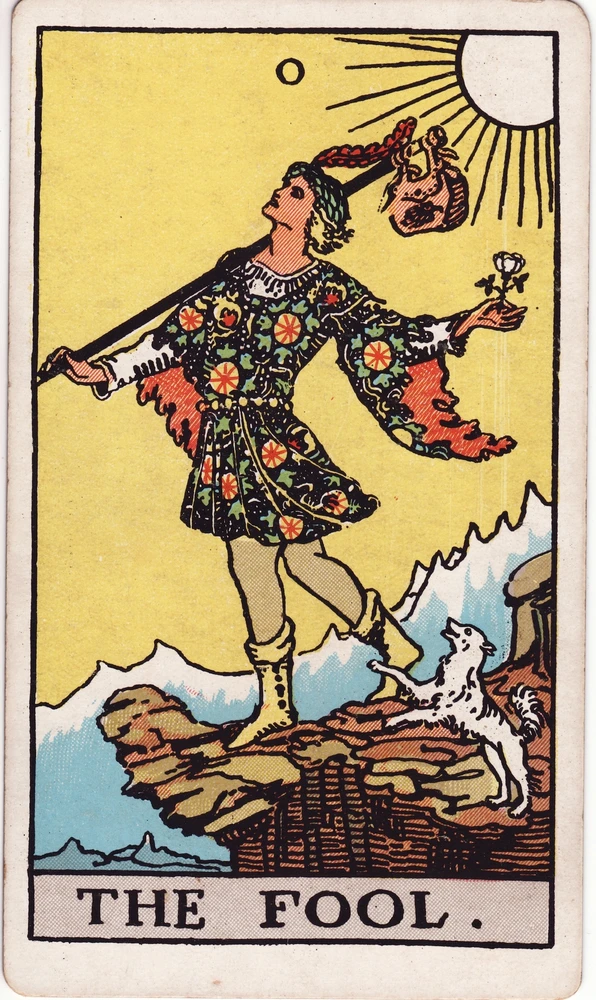
Licensed RWS Fool card
A LIVING
HISTORY
TAROVERIE / EDITORIAL ARCHIVE

Stories from the tarot world

Choose a theme to move to its current-page preview, then enter the complete paginated archive.

A brief history of tarot A BRIEF HISTORY OF TAROT

Follow the changing imagery and uses through museum sources.

Read museum sources ↗

People PEOPLE

The people who create, share and reinterpret tarot. · 1 published items

View all →
  1. Beyond the Cards: Meeting Pamela Colman Smith

    Behind the Rider–Waite–Smith imagery stands an artist with an independent practice. Meeting her invites us to see tarot as work made by people.

History HISTORY

From playing cards to an unfolding modern history. · 3 published items

View all →
  1. How to Read Reversed Tarot Cards Without Turning Them Into Bad News

    A reversed card does not have to mean the opposite of an upright card—or something bad. It can describe direction, intensity, access or timing.

  2. When the Minor Arcana Became a World of Images

    Fully illustrated number cards did not begin with the Rider–Waite–Smith deck. The Sola Busca offers an earlier, very different chapter in that visual history.

  3. Before Divination: Tarot as a Renaissance Card Game

    Tarot emerged in fifteenth-century Europe as a trick-taking card game. Its later divinatory life is real and influential, but it is not the beginning of the story.

Art ART

Images, colour and craft create a visual language. · 40 published items

View all →
  1. As the Wheel Turns, the Viewing Position Changes Too

    The Wheel of Fortune places its central wheel alongside surrounding figures. Change affects outcomes and our position for interpreting them; seeing a cycle does not tell us where t

  2. The Cups Still Stand—Why Has the Person Left?

    In the Eight of Cups, the cups remain upright while the figure walks away. Departure cannot simply be explained as having nothing: some arrangements retain their outward form but n

  3. After System Failure, Whose Loss Is Seen First?

    The Tower’s rupture prompts checking fragile structures. Address affected people’s needs first, then examine warnings, decisions and repair responsibilities so those with least say

  4. The Sword Rises While the Gaze Still Observes the Surroundings

    The Page of Swords’ raised blade and alert posture show preparation before confrontation. Wind gives the surroundings movement, but the image supplies no definite target; observati

  5. An Archway, an Elder and Family Place Wealth in Different Times

    Figures of different ages share space among buildings and pentacles in the Ten of Pentacles. Abundance concerns not only individual possession but memory, transmission and who can

  6. The Bandage Does Not Erase the Body Still Standing

    The Nine of Wands pairs an injured body with continued watchfulness. Persistence has costs; the staffs behind can resemble both support and a barrier, which need distinguishing in

Ideas IDEAS

Different perspectives on archetypes, reflection and symbolism. · 80 published items

View all →
  1. When You Need Help, Find One Contact You Can Actually Reach

    Difficulty can make you feel you must hold on alone. Use the Five of Pentacles to make seeking help one concrete contact, explaining immediate needs and available conditions. If th

  2. Keep Worry in One Column, Not Answering for the Whole Page

    Intense unease can let guesses fill the view like facts. Through the Moon’s path, separate events, feelings and imagined developments to leave room for checking and waiting.

  3. Those Entitled to Judge Must Face the Same Checks

    Criteria applied only to those being evaluated can become one-way power. The King of Swords raises questions of accountability: affected people should be able to examine decision g

  4. Does Hanging Upside Down Change the View or the Direction of Effort?

    The Hanged Man’s suspended body and halo keep the pause from appearing wholly empty. Pausing can change observation, but needs to yield new recognition. Purposeless endurance does

  5. From Whose Position Is “The Past Was Beautiful” Spoken?

    Shared nostalgic stories often preserve warmth selectively while omitting inequality. The Six of Cups can help discuss different versions of memory so differing experiences are not

  6. Who Can Afford to Call a Failure Exploration?

    Taking the same new step can give one person experience and another an unaffordable cost. The Fool’s light departure raises a practical question: what resources and support sustain

Culture CULTURE

How tarot enters contemporary life and culture. · 3 published items

View all →
  1. Resources Passed Down Also Pass Down Rules for Entry

    Inheritance and tradition preserve objects and allocate eligibility. The Ten of Pentacles invites examination of a community’s entrances, bringing newcomers, different family membe

  2. A Friendly Leader Also Needs a Door That Can Close

    Treating friendliness as unlimited access adds emotional labor to influence. With the Queen of Wands, distinguish welcome from taking someone’s time, so a warm team culture recogni

  3. How Does Transmission Bring Newcomers to a Place Where They Can Ask?

    The Hierophant’s followers suggest knowledge is taught through relationships. A good tradition preserves not only answers but the conditions that shaped them, gradually enabling le

Life & Practice LIFE & PRACTICE

Relationships, work, decisions and grounded reflective practice. · 127 published items

View all →
  1. Turn a reading into a ten-minute practice

    A fictional desk-clearing exercise separates associations from action: set a ten-minute limit, keep the option of doing nothing, and record what actually happens.

  2. Give your question a focus—and leave room to choose

    Use an everyday invitation to examine a question's time frame, the limits of your own actions and the freedom to opt out. Let tarot practice support reflection rather than predict

  3. Record what you see, then make room for interpretation

    A general image-reading exercise to distinguish visible details from personal interpretations and leave uncertain judgments open to revision.

  4. Revisit your practice notes: what evidence does a repeated phrase need?

    Compare practice notes to identify repeated wording and unverified assumptions, leaving room to revise your interpretation.

  5. Turn a reading into a small practice you can stop

    Take an interpretation such as “be more proactive” and turn it into an optional, stoppable practice. A message draft helps distinguish your own actions from another person’s respon

  6. A one-card journal: separate observation, association and checking

    Use one card to distinguish visible details, personal associations and questions you can check in everyday life. Without verified card references, do not supply meanings or history